Common Reasons To Need a Skin Biopsy
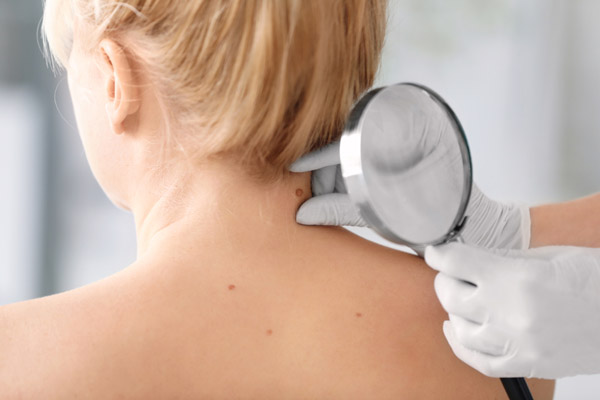
A skin biopsy, where a tiny amount of skin tissue is removed for examination, is an essential diagnostic process in medicine for several skin problems. From rashes to obstructive moles, skin biopsies help healthcare providers identify and treat skin problems. Learning about the need for a skin biopsy may demystify the process for people and highlight the importance of this diagnostic tool for skin ailments prevention, management, and diagnosis.
When a skin biopsy may be needed
Skin biopsies are performed for various reasons. The primary aim is to clarify the diagnosis and create a proper treatment program. Below are some of the reasons a practitioner might suggest a skin biopsy:
Suspected skin cancer
A skin biopsy is often performed to examine suspected cancerous lesions, such as moles that may have an altered appearance, color, shape, and texture. Biopsy can ensure early detection of skin cancers like squamous cell carcinoma, melanoma, and basal cell carcinoma, which could ensure prompt and potentially life-saving treatments.
Inflammatory skin conditions
Conditions like psoriasis, eczema, and lupus often have similar symptoms. A biopsy can help distinguish between these and other inflammatory conditions. The exam offers a closer look at the cellular makeup and patterns of inflammation within skin cells.
Infectious skin diseases
If the healthcare practitioner suspects skin infections, a biopsy will determine if there are viruses, fungi, and bacteria. The exam can help diagnose conditions like viral warts, impetigo, and fungal infections. This will ensure that the proper antimicrobial care is recommended.
Unidentified skin lesions
Occasionally, the skin lesions or rashes may be unresponsive to regular treatments and the cause may be unclear. For uncommon skin problems or unusual presentations of typical illnesses, biopsies may offer additional insights. They can also help guide a proper treatment plan.
What to expect during the biopsy procedure
A skin biopsy is carried out under local anesthesia in a medical office. It is fairly simple and quick. Different techniques may be used for biopsy depending on the suspected condition.
- Shave Biopsy: The top layers of skin are shaven off with a scalpel. This technique is usually used for superficial skin lesions.
- Punch Biopsy: A small core of skin with deeper layers is removed with a circular tool. This method can be used to determine many skin disorders such as infectious and inflammatory diseases.
- Excisional Biopsy: A margin of normal skin is excised with the whole area of abnormal skin. This method is usually used when a larger or deeper sample is required to rule out melanoma.
Care and follow-up
Care after a biopsy is essential to avoid infection and facilitate healing. Generally, patients are advised to keep the biopsy area dry and clean and follow their healthcare provider's instructions regarding wound care and activity restrictions. A sample of the tissue is brought to the pathology lab for examination under a microscope. Results can take days to weeks depending on the intricacy of the analysis needed.
In summary
Skin biopsies are an invaluable diagnostic tool in medicine that may provide information about different skin problems ranging from benign rashes to serious malignancies. Knowing the reasons for and the steps of skin biopsy may lessen patients 'anxiety and highlight the procedure's benefits for optimal dermatologic health. Depending on the information a biopsy provides, the healthcare provider can tailor therapy methods to optimize patient outcomes and quality of life.
Get more information here: https://www.janeylhammonsnpc.com or call Janey L Hammons NP-C at (580) 922-4406
Check out what others are saying about our services on Yelp: Skin Biopsy in Seiling, OK.
Recent Posts
Hepatitis management starts with understanding how the liver becomes inflamed and how that inflammation affects energy, digestion, and overall health. In a family practice clinic, a nurse practitioner helps patients sort out testing, treatment, and daily habits that support liver function. Hepatitis can be caused by viruses (A, B, or C), alcohol, certain medicines, or…
Scheduling sick visits for minor concerns, such as a cold or the flu, can help patients find relief much sooner than if they waited for symptoms to resolve on their own. These visits involve a professional medical evaluation to diagnose and treat acute, non-emergency illnesses or injuries. An early evaluation may also prevent these conditions…
A medical clinic can offer convenient testing to help patients understand their symptoms, manage chronic conditions, and stay on top of preventive care. Many tests happen during a single visit, reducing delays and enabling faster next steps. Results can guide treatment plans, referrals, or lifestyle recommendations when appropriate. With a patient-focused model, testing often fits…
General lab work plays a key role in preventive care and helps wellness clinics understand what is happening inside the body. These tests provide a snapshot of organ function, nutrient levels, and risk factors long before symptoms appear. When used regularly, general lab work supports early detection, guides lifestyle changes, and helps tailor treatment to…